

A highly anticipated live performance on December 19, 2025, at Sala Galileo Galilei.
By Susan Villa
Alba Dreid will present her new recording project on December 19, 2025, at 9:00 p.m., at Sala Galileo Galilei—one of the most eagerly awaited events to experience firsthand the artistic evolution of a creator who has successfully built bridges between copla and contemporary sound languages. The concert is shaping up to be a meeting point between tradition and avant-garde, where the artist unfolds a proposal that reinterprets Andalusian roots through a current, deeply personal aesthetic.
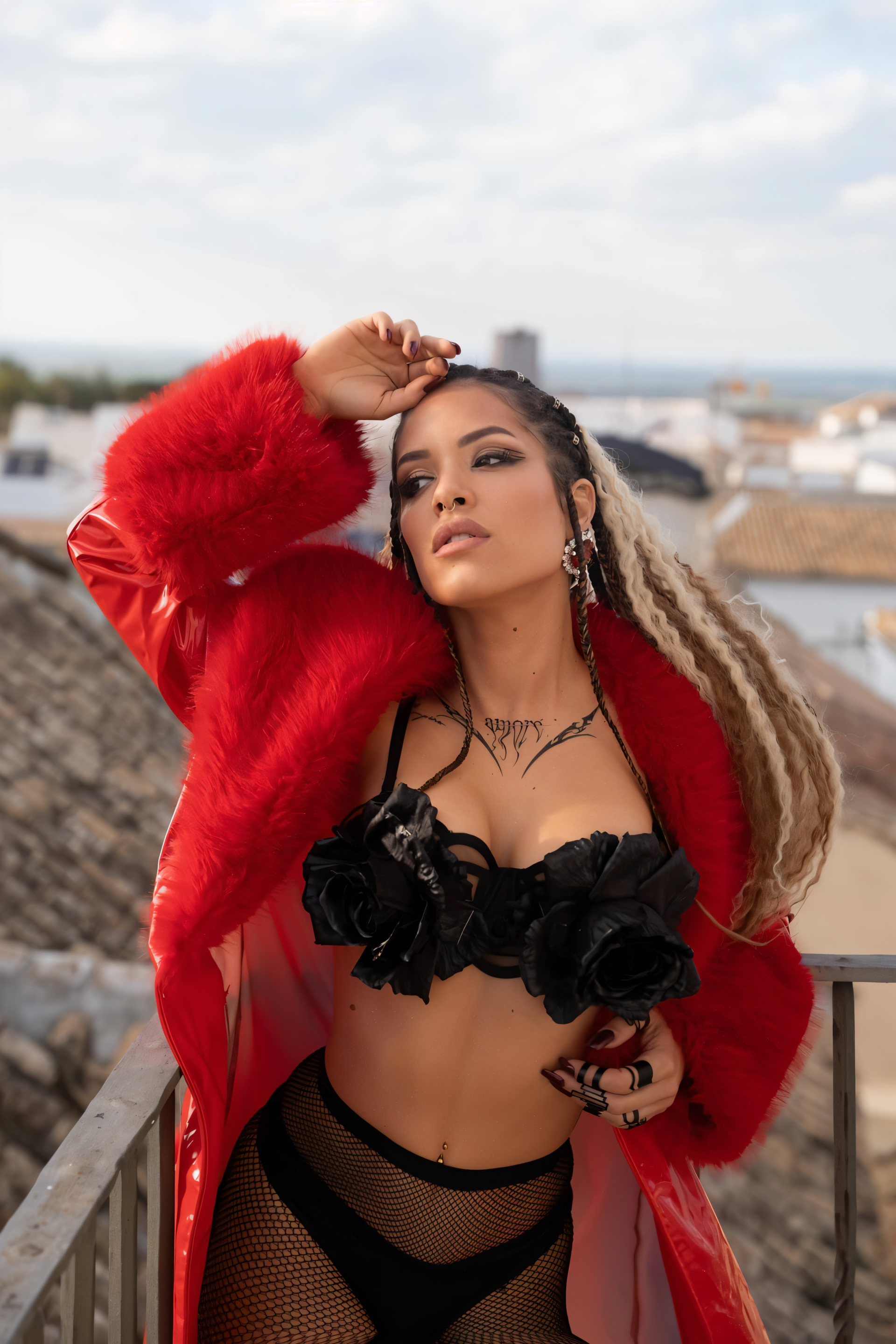
Winner of TVE’s copla competition La Bien Cantá, Alba Dreid has since constructed a distinctive musical discourse in which copla, flamenco, and folklore engage in dialogue with electronic music and afro-house without losing authenticity. Hailing from La Puebla de Cazalla and shaped by a solid family artistic heritage, her career is marked by a constant search for new languages, collaborations with artists from diverse fields, and a clear commitment to renewing the genre with deep respect for its roots.
1. After winning La Bien Cantá on TVE, your career has evolved toward a very personal fusion of copla, electronic music, and afro-house. At what point did you decide that this was the artistic path you wanted to explore?
Unexpectedly, electronic music was the trigger that led me to audition for the program. I had been researching and developing the fusion between both genres for two years, and I understood that, given it was a clearly avant-garde format with a revolutionary outlook on copla, my proposal fit naturally. That’s why I approached both my application and my audition presentation from that innovative perspective. I expressed it with total conviction: “I know it may sound crazy, but I would love to mix copla with techno.”
2. Your musical discourse starts from Andalusian tradition but is in constant dialogue with contemporary sounds. How do you balance respect for the roots with the need to innovate without losing authenticity?
For me, the roots are not a starting point that is abandoned, but an axis that sustains everything. Andalusian tradition is my emotional and cultural language, and I never use it as a superficial aesthetic resource. Before innovating, there is deep work of respect, study, and listening. Electronic and contemporary sounds do not replace the source; they accompany it and amplify it. Innovating, in my case, does not mean breaking with tradition, but dialoguing with it from the present. If the root is alive and well understood, it is not lost; it evolves honestly and keeps its authenticity intact.
3. You come from La Puebla de Cazalla, a place with a strong symbolic and cultural weight. How do your origins and your family environment influence the way you understand music?
My origins and, above all, my family environment have been decisive in how I understand music. I come from a family of artists, and that leaves a deep mark. I grew up surrounded by words, singing, and sensitivity.
My paternal grandfather, Salvador Cabello, was a poet and playwright—someone who understood art as a form of thought and cultural commitment. And my grandfather Francisco, El Petre, sang flamenco with extraordinary truth and naturalness.
La Puebla de Cazalla, with all its symbolic and cultural weight, and my family taught me that music is born from the roots, from emotion, and from respect for who one is.
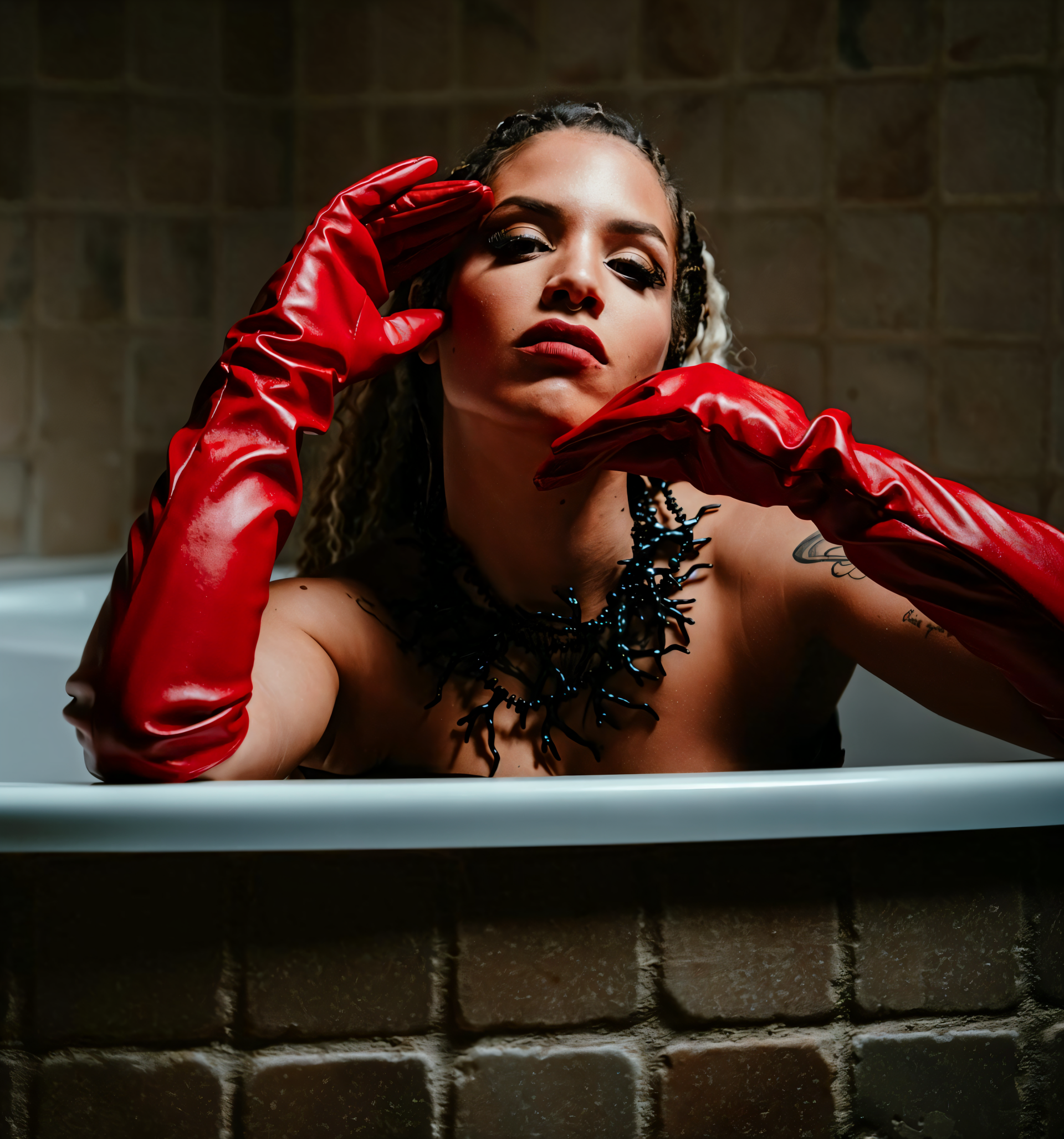
4. You have collaborated with international DJs and artists from the urban scene, and you have shared the stage with figures of great prominence. What do these collaborations bring you creatively and personally?
When you begin working with someone in the musical field, discovery goes far beyond the professional. Artistic creation inevitably reveals the artist’s inner world—their way of feeling and thinking. For me, the creative process is also a space of intimacy and truth, where the personal and the artistic naturally intertwine.
Collaborating with other artists broadens one’s perspective and opens the mind to creative territories that one may not even have known existed. That exchange not only enriches the artistic process, but also has a personal impact, because in my case creation and person are intimately connected. Every collaboration leaves a mark, transforms you, and offers new ways of understanding both music and oneself.
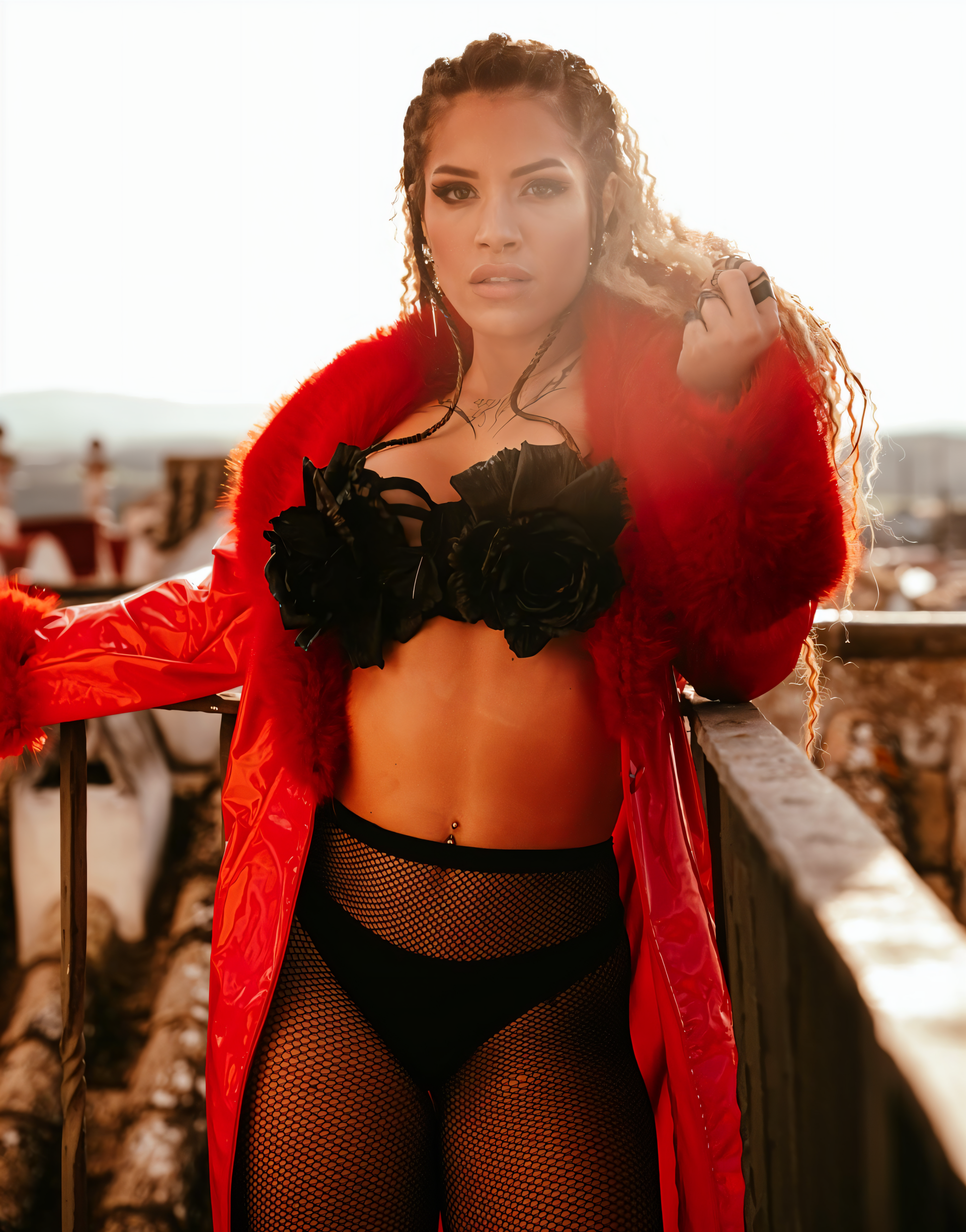
5. In songs like A tu vera, you reinterpret iconic coplas through a contemporary language. What do you think this re-reading offers younger audiences, and what does it give back to copla as a genre?
Ultimately, reinterpreting a copla like A tu vera is a way of bringing it closer to young people without fear. Using a contemporary sound language allows them to discover it from a more immediate place, without perceiving it as something distant or of the past. And what it gives back to copla is precisely that: the sense that it is still alive, that it can transform and continue to move people without losing its essence. It’s not about changing it, but about listening to it from today.
6. Looking ahead to the coming months, after the presentation of your new work at Sala Galileo Galilei on December 19, what projects are you currently working on, and where would you like to take your artistic proposal next?
In the coming months, my intention is to continue deepening the path I have already begun. I want to keep developing my artistic proposal and demonstrate that our roots—copla and flamenco—not only belong to our history, but are more alive than ever. Continuing to explore, create, and take this music to new spaces and audiences is, right now, my main goal.

Add comment
Comments