

The Cartagena artist reflects on his time with Bisbal and presents the most intimate and current version of his music.
By Susan Villa.
Raúl “El Balilla” has spent more than a decade proving that flamenco knows no age limits when talent emerges naturally. That young boy from Cartagena who moved millions of viewers on La Voz Kids singing Camarón de la Isla has today become one of the most promising young voices in the current flamenco scene. At just 21 years old, he has released six albums, performed more than 350 concerts, and built a social media following of over one million people.
Far from remaining anchored to the image of a child prodigy, Raúl has managed to evolve both artistically and personally, keeping his flamenco roots intact while incorporating contemporary sounds that connect with new generations. His career has been marked by consistency, live performance, and a constant search for artistic growth, drawing inspiration from figures such as Camarón, Ketama, and Niña Pastori, while increasingly striving to find his own voice within the genre.
Now, the artist opens a new chapter with “Ay Mayá”, a single full of emotion and personal meaning that marks a turning point in his career. In this interview, Raúl “El Balilla” speaks candidly about the weight of growing up in the spotlight, the maturity music has given him, and the new projects he is preparing, including the 2026 tour Desde Niño and a more intimate acoustic proposal called Flamencura.
1. Your beginnings in music started at a very young age and with enormous media exposure. How do you remember your time on La Voz Kids today, and what did you learn from such an early leap into fame?
I have very beautiful memories; I remember how, from the very first day, I enjoyed everything on the show, how much fun I had, the friendships I made that lasted for a very long time, and above all, what I learned from David Bisbal and all the coaches and fellow contestants at that time. It was something incredible that I would always repeat because it was an unforgettable memory.
2. You have managed to keep the essence of flamenco alive while incorporating more contemporary sounds. How would you define the artistic evolution you have experienced from your early albums to Ay Mayá?
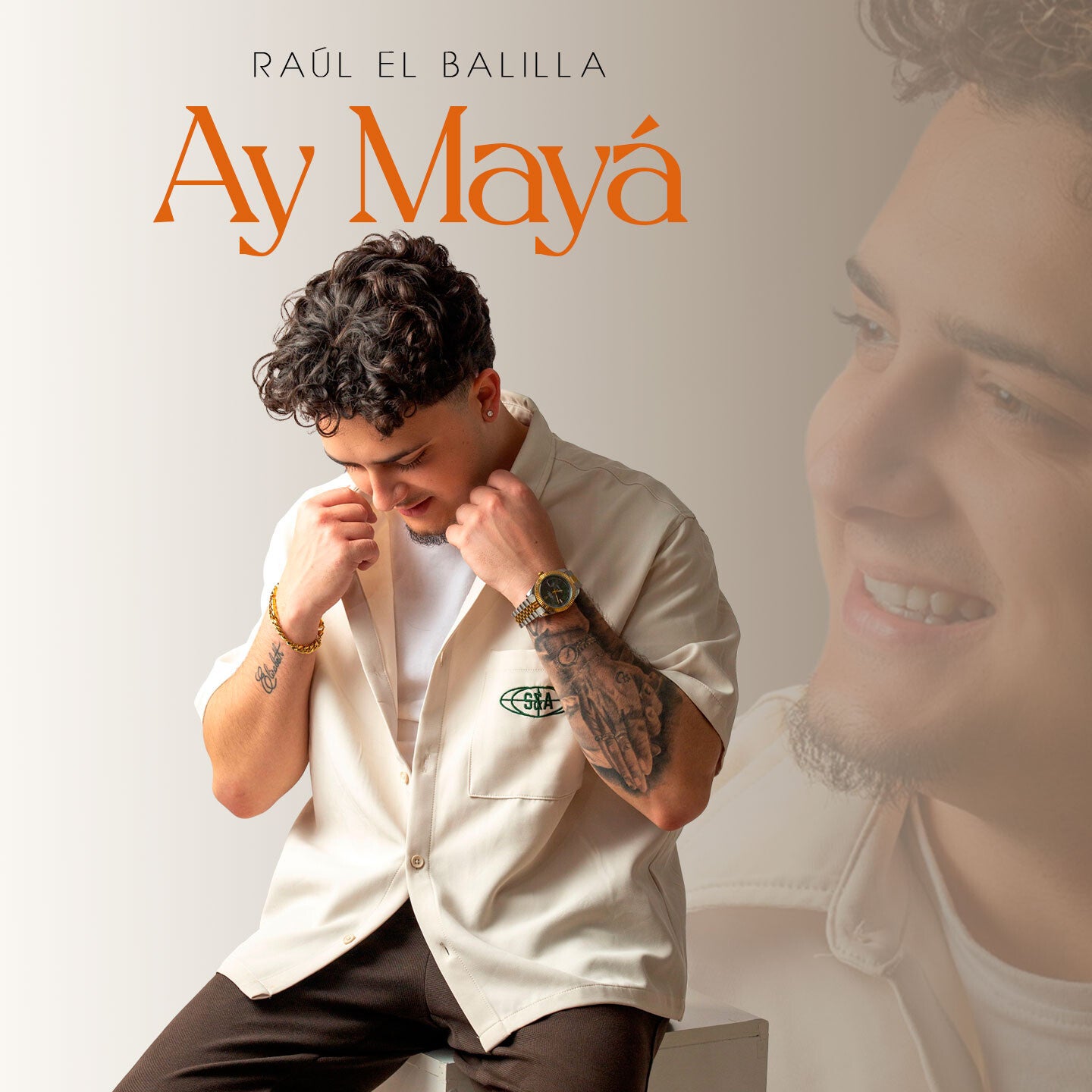
Everything has to do with how I have grown over the years. I have been innovating and discovering myself as an artist; it is something I have experienced over time, and I am very happy because the result of this new song has been incredible.
3. At just 21 years old, you already have six albums, hundreds of concerts, and millions of followers. How do you emotionally manage such an intense career at such a young age?

I handle it quite well. It is true that at the beginning it is a bit more complicated because it is a completely new experience and, of course, it has had its difficulties. Today, I am very motivated and happy with the work we are doing. I am a very fortunate person because I am enjoying a dream and the job I love.
4. Ay Mayá is born as a dedication to each person’s favorite loved one. What is personal or autobiographical in this song?
Everything comes from the fact that I am going through a turning point in my career. I have discovered a musical genre that I really love and how I interpret it. I think it is something new that will be very present in my career from now on. In addition, this song reminds me a lot of my son, since Ay Mayá means that special person in your life.
5. Many young artists search for their musical identity. In your case, what role have references such as Camarón, Niña Pastori, or Ketama played in your understanding of flamenco?
It is clear that in my career my identity has been flamenco, without a doubt. It is true that I have always had Camarón de la Isla as my main reference. Nowadays, I have stopped listening to other artists for a while because I believe that an artist’s personality and style are achieved by listening to yourself and trying to improve day by day until you find your own personality and what truly fits you.
6. After more than 350 concerts and a career that has continued to grow since childhood, what is it that excites you most about continuing to live within music and the stage?
What excites me most is that, after 13 years in the profession, time has passed and more and more people are by my side every day. I started out as just a child and, today, being more of a man, I can proudly say that I am still alive in music and enjoying my passion, which is songs, concerts, and above all, all the people who are with me.
7. This new single seems to open a new stage in your career. What projects, collaborations, or surprises are you preparing for the coming months with the Desde Niño 2026 tour?
I can only say that we are preparing an impressive tour up until 2027, which, as you said, is called Desde Niño. We are also coming with a very beautiful project: an acoustic tour called Flamencura. We will have the opportunity to perform in small venues and theaters, in a more intimate and close setting, where I believe I can reach people’s hearts, and of course, with new music.
Raúl “El Balilla” moved millions of viewers when he sang Camarón as just a child. Today, with a more mature voice and an increasingly defined artistic identity, he confirms that flamenco can grow, evolve, and continue to move audiences without losing its essence.
Add comment
Comments