

From Seville to Miami, the artist reflects on identity, emotion, and the future after her recognition at the Billboard Awards
By Susan Villa.
From a very young age, Dalia Key knew that music was not just a hobby, but a life path. A precocious composer and singer since childhood, she began performing at celebrations, schools, and neighborhood events, while training at the conservatory and participating in notable choirs. Over time, orchestras and professional stages followed, and it was precisely the direct contact with the audience, the applause, and the shared emotion that ultimately confirmed that her destiny was linked to music
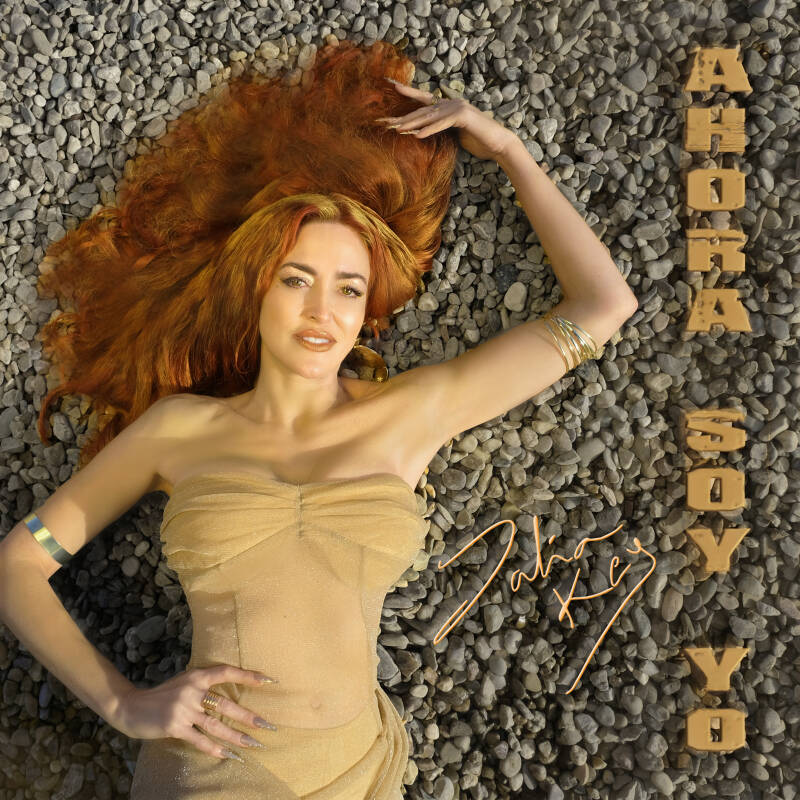
With a career marked by consistency and vocation, the Sevillian artist has developed an international trajectory that has taken her to work and perform in countries such as Colombia, the Dominican Republic, and the United States. The reception from Latin audiences, especially warm and receptive, has been key in her journey, to the point of establishing her residence in Miami, a city from which she continues expanding her artistic and creative project.
That personal and professional journey now crystallizes in “Ahora soy yo,” an autobiographical track in which Dalia Key gives voice to the struggle, sacrifices, and renunciations involved in pursuing a dream far from home. True to a songwriting style based on emotion and message, the artist understands music as a space for connection and expression, a constant that runs through all her work and remains present in her new projects, including an upcoming EP with international ambition.
1. You began your artistic career at a very early age and participated in large-scale projects from the beginning; what memories and lessons from those early years do you consider decisively shaped your professional path?
I started from a very young age, composing my own songs and singing at birthday parties, schools, and neighborhood events. Later I entered the conservatory, where I enriched my learning without stopping composing. I sang in important choirs, and upon reaching adulthood, I began performing in orchestras. It was at those moments, with the applause of the audience, that I knew this was my path.
2. What personal and creative moment were you going through when you decided to write “Ahora soy yo,” and what personal need drove you to tell this story in the first person?
I wanted to express how long and difficult it is to achieve something in life, the enormous effort it requires, such as leaving everything behind, your loved ones, without knowing where you are going. But what matters, in both good and difficult times, is to be yourself. That is how “Ahora soy yo” was born, where I share part of my experience.
3. Throughout your career you have performed in different countries; how has the international audience received you and what does it mean for you to have found in Miami a place to develop your project?
I have been very well received, especially in Colombia, the Dominican Republic, and generally in all Latin countries, where they greatly value art. In Miami, in fact, I have been so well received that I now live there, and I am absolutely delighted with such a warm audience.
4. Songs such as “Ganas” or “Yo tengo voz” connected with the audience in very specific contexts; how important is the emotional and social component in your compositions?
For me, that emotional connection is fundamental. With songs like “Ganas,” which I composed during the pandemic, or “Yo tengo voz,” many people identified themselves. “Ganas” speaks about that absence of contact, and “Yo tengo voz” is a call to express ourselves, not to remain silent, to be free in our emotions. All my songs carry a message.
5. You have worked with internationally renowned producers and professionals; what do you primarily look for in an artistic collaboration for the result to feel authentic and coherent with your project?
I like to surround myself with professional people, to form a team where everyone contributes ideas, and thus shape each musical effort so that it reaches the listener’s heart.
6. After such a broad and diverse artistic evolution, how do you now approach the balance between your acquired experience and the drive to continue exploring new languages and sounds?
I am always working, adapting to the current sound and studying new musical languages. I love innovating and continuing to move forward.
7. Looking ahead to the coming months, with a new EP in preparation and a clear international projection, what are your main short- and medium-term projects and artistic goals?
My main project now is to present my new EP, both in Spain and internationally, so that the entire audience can enjoy this very special work.
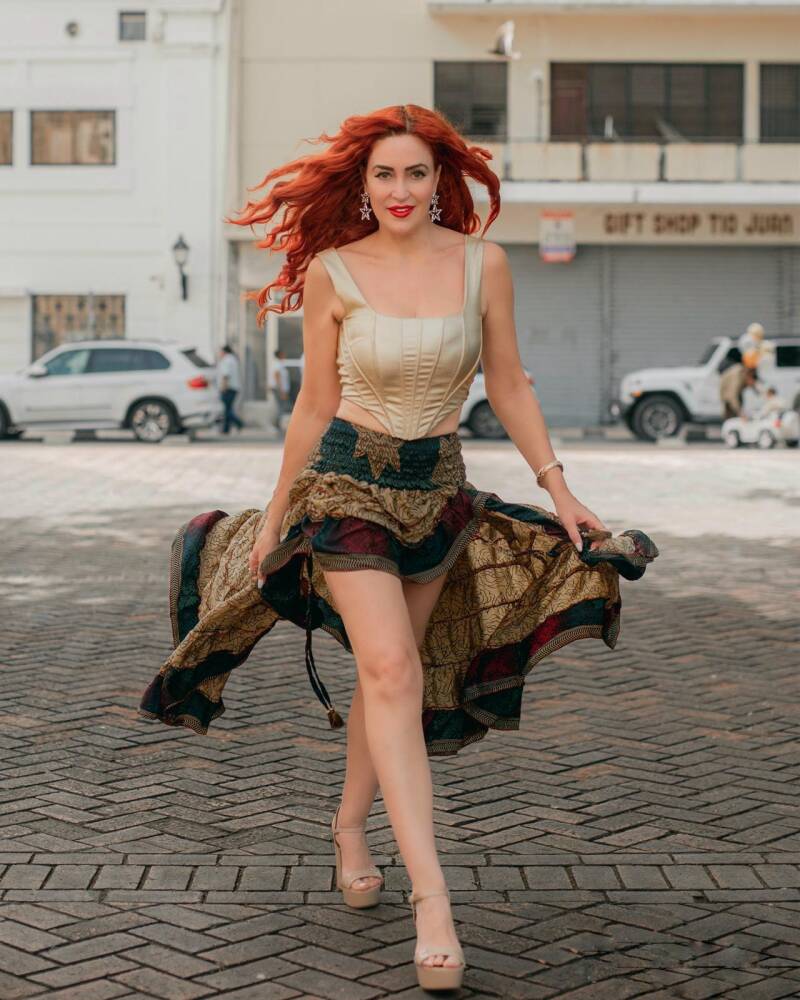
Susan Villa is a Spanish journalist, communicator, actress, model, and cultural writer.
She has worked across journalism, television, fashion, culture, and entertainment, and currently contributes to several Spanish media outlets, including Fashionista Edition, where she writes interviews and features about artists and cultural figures.
Her journalistic work is characterized by an interest in the people and stories behind the arts, with a particular focus on music, fashion, cinema, culture, and emerging talent. Through her interviews and cultural features, Villa brings a close and insightful perspective to the personalities and creative projects she covers.

Add comment
Comments