

By. José Luis Ortiz Güell
On March 2nd, the Centro de Historias became the epicenter of one of the most impactful cinematic experiences of the year with the pre-screening of "Mentes", the short film that, far from being a mere artistic representation, stands as a profound social denunciation.
Joshua Navea, the main protagonist of this work, showcases his talent in a register that is deeply moving. An actor with an overwhelming presence, but also a multifaceted artist—photographer, poet, and designer—manages to infuse his character with brutal authenticity. His performance not only moves but immerses the viewer in an emotional whirlwind, leaving them anchored to their seat, unable to look away until the very last second.
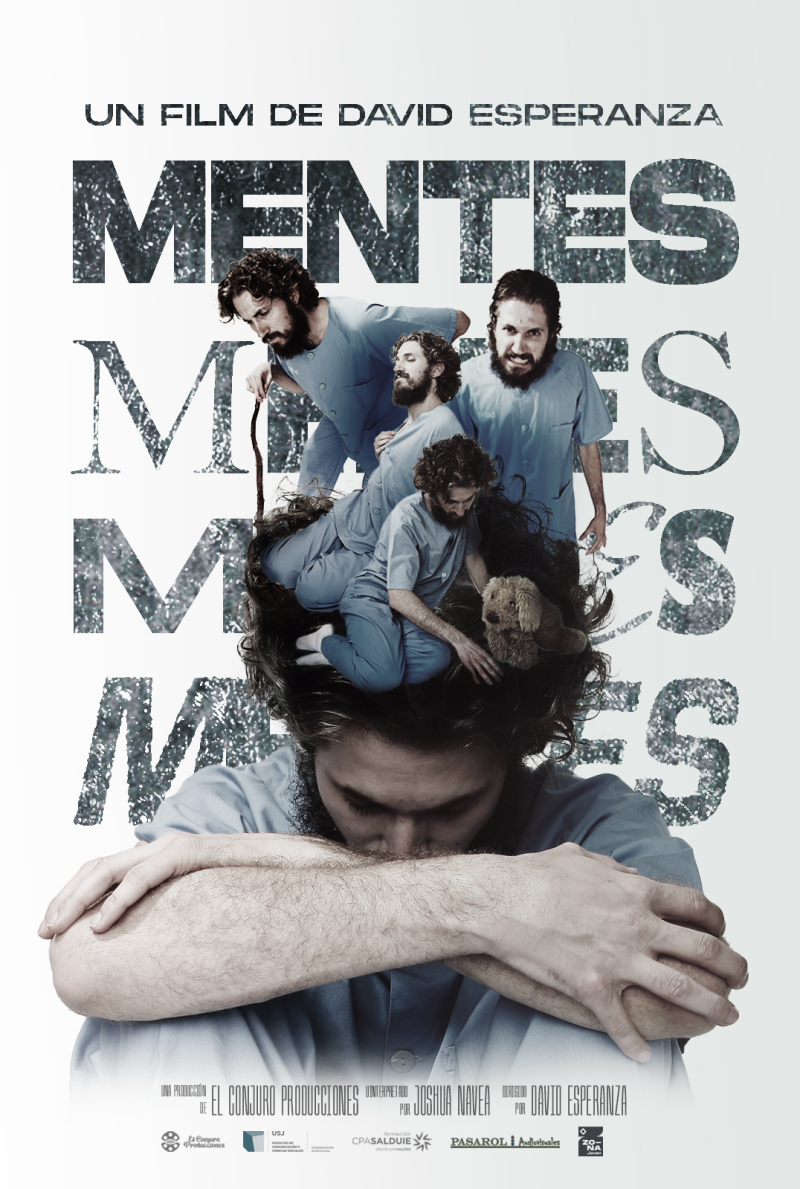
"Mentes" is not just a short film; it is an experience that leaves a mark.
"Mentes" is not a comfortable film; it addresses mental health issues with a necessary rawness, with an honesty that hits hard and, at the same time, awakens awareness.
The direction by David Esperanza is, without a doubt, another of the short film's strong points. With a clear vision and a narrative that defies convention, he ensures that each shot is a faithful reflection of the silent struggle of so many people. His work in "Mentes" confirms the overwhelming talent of El Conjuro Producciones, a young production company that, despite its short trajectory, is showing immense capacity to address necessary stories with exceptional quality.
The same goes for the screenplay, crafted with immaculate professionalism by David Esperanza. In the history of cinema, there have been outstanding screenwriters whose importance is often underestimated, while directors are consecrated. It is important to note that great screenwriters have been directors with special talent, such as Ben Hecht, David Lean, or even Robert Bolt. I would dare to say that David Esperanza is one of those examples on a national level and is starting out with remarkable and distinguished works and films.
But "Mentes" does not settle for being a mere impactful short film. It is an urgent call to action, a demand for the importance of making mental health visible and treating it with the seriousness it deserves. In a society that still relegates this issue to the background, this work shakes consciences and demands attention, respect, and involvement.
Because mental health is neither a luxury nor a whim; it is a necessity that, as "Mentes" makes clear, can no longer be ignored. With impeccable production, memorable performances, and a story that resonates beyond the screen, "Mentes" positions itself as one of the year’s great gems. It would not be far-fetched to predict its success at festivals and major awards, because its message is as powerful as it is unavoidable. If you haven’t seen it yet, get ready.
What makes "Mentes" particularly relevant is its ability to transform an intimate and often invisible reality into a cinematic experience that invites the audience to look beyond appearances. Rather than offering easy answers, the film opens a space for reflection, empathy, and dialogue, reminding us that behind every silence there may be a story that deserves to be heard. In this sense, its greatest achievement lies not only in what it tells, but in what it provokes in those who watch it.
At a time when cinema increasingly has the power to generate conversations about realities that society prefers not to confront, "Mentes" demonstrates the importance of independent filmmaking as a vehicle for awareness and social expression.
David Esperanza and El Conjuro Producciones have created a work that combines artistic ambition with a clear commitment to a meaningful subject, proving that a short film can have a profound impact when storytelling, talent, and purpose come together.
The performances deserve a special mention for the emotional intensity and authenticity they bring to the story. The cast understands that a film like "Mentes" does not depend on exaggerated gestures, but on the subtlety of emotion, silence, vulnerability, and the weight of what remains unspoken. Their performances give the characters credibility and allow the audience to connect with their internal struggles, making the film’s message feel personal, immediate, and deeply human.
Add comment
Comments